
How to Navigate Photography Collaborations Seamlessly in Australia
Understanding Collaborations
As a freelance photographer based in Brisbane, I often think back to my days at the Queensland College of Art, where collaborative projects were a staple of our curriculum. These experiences taught me that understanding the types and benefits of photography collaborations is crucial. Collaborations can range from joint ventures with other photographers to partnerships with models, makeup artists, or local businesses. Each type of collaboration brings unique benefits, such as expanding your portfolio, gaining exposure, and improving your artistic techniques.
Identifying the right partners for a collaboration is also key. Consider their style, reputation, and reliability before jumping into any commitment. This process often mirrors scouting talent for a creative project, except you’re not just considering aesthetic compatibility but professional rapport as well. Sometimes, a barter agreement can be a practical solution, allowing creatives to exchange services and skills, making projects more accessible without the immediate pressure of financial transactions.
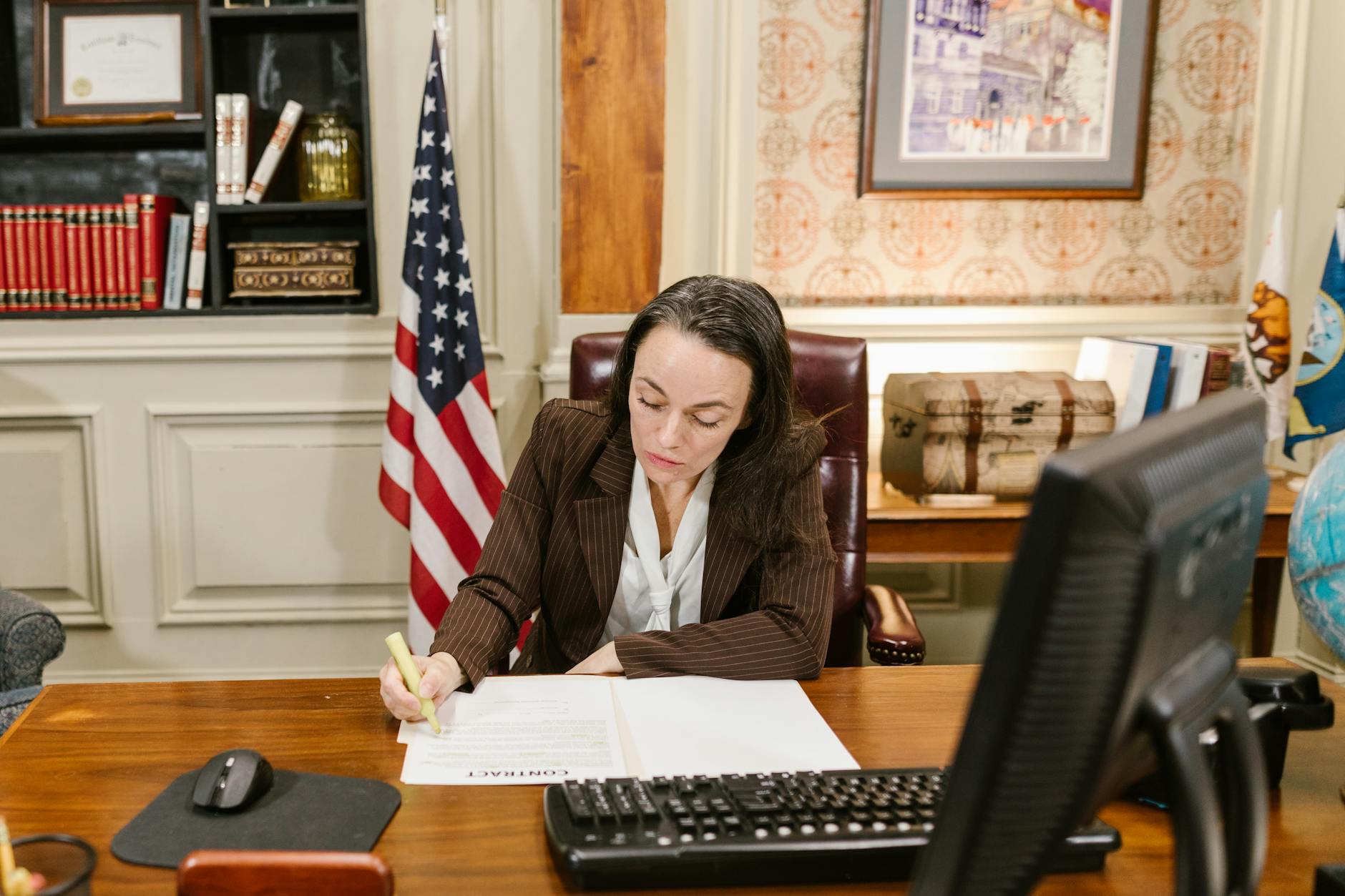
While navigating these collaborations, pay attention to the legal aspects to protect your interests. Understanding what constitutes a photography collaboration contract can save you from potential pitfalls. Whether it’s drafting a contract or seeking free irrevocable trust forms online, having the right documents ensures your artistic vision and business interests are safeguarded.
Collaborating allows you to work creatively with others while maintaining professional boundaries, thereby enriching your artistic journey.
Legal Aspects Simplified
Essential Contract Components
When stepping into photography collaborations in Brisbane, understanding contract components is crucial. Most of us creatives, like many I've met at the Brisbane Powerhouse, aren’t exactly thrilled with contracts, but they protect our art and clarify project expectations. A solid contract typically includes deliverables, payment terms, timelines, and cancellation clauses. These details ensure that all parties involved have an aligned vision and understanding of the working relationship.
Avoiding Legal Jargon
As someone who values artistic expression, legal jargon can feel like an enemy. To maintain clarity, you might want to use simplified language or seek a review contract service to ensure the terms are clear and enforceable. Using clear, simple terms will save you from potential headaches down the road. When I first started, I relied heavily on resources and templates tailored to creative professionals.
Importance of Written Agreements
Written agreements reduce misunderstandings and provide a tangible reference point for the partnership. Whether you're downloading a joint venture agreement real estate pdf or an it consultant contract template, having a written record is essential. I’ve found it invaluable to refer back to a document during disputes or negotiations. So, while the creative spirit may resist paperwork, it’s vital for sustainable collaborations and for feeling empowered in your artistic pursuits.
Drafting Effective Contracts
Key Clauses to Include
When drafting a contract for your photography projects, it's crucial to ensure that all parties have a clear understanding of expectations and responsibilities. Imagine a sunny afternoon at Howard Smith Wharves while you ponder over these essential clauses. Firstly, clearly outline the scope of work—this involves detailing exactly what services will be provided, the expected timeline, and the project's delivery format. Remember also to specify the payment terms, including due dates and consequences for late payments.
Next, it's vital to consider the ownership and usage rights. Specify who owns the final images and what rights each party has regarding their use. If there’s a need to end a working relationship early, having a termination clause can safeguard both parties, outlining the process for ending the contract and any fees involved.
Templates and Resources
Navigating the world of contracts can be daunting, especially for creatives who prefer their adventures behind the lens rather than in front of legal documents. A blank photography contract template can be a great place to start, serving as a framework that you can tailor to your project needs. Many online resources offer comprehensive templates that cover various facets, from event photography to commercial shoots. These help ensure that nothing is overlooked and keep you moving with ease along your creative journey.
Customising Contracts for Projects
Working with a contract bookkeeper or lawyer to tweak templates to fit each project uniquely can really empower your artistic endeavours. Tailoring agreements to fit specific project needs ensures that all unique aspects are covered. Customised contracts not only reflect the nature of the collaboration but also protect your creative freedom, letting you focus more on capturing stunning shots across places like the Brisbane Powerhouse.
Building Productive Partnerships
Communicating with Partners
Like many creatives in the Brisbane art scene, I've collaborated with fellow artists at the Queensland College of Art, and I can't stress enough the importance of clear communication in any partnership. Conversations need to be open and honest, ensuring that each party's expectations and concerns are addressed early on. Whether it's arranging a quick coffee meet-up or a detailed email, keeping lines of communication open helps prevent misunderstandings along the way.
Setting Clear Expectations
Crafting well-defined goals and benchmarks is crucial for any successful collaboration. This process begins by identifying priorities. For example, if you're working on a local project with a tight deadline, clarify the timeline, deliverables, and responsibilities from the onset. This avoids surprises and keeps everyone aligned. I often look at an example of corporate minutes as a useful guide to structuring meetings, which can be applied similarly to collaboration settings.
Handling Disagreements
Misunderstandings happen, but knowing how to handle them is key. It's useful to have a contract proposal template outlining mechanisms for conflict resolution. During an intense project at Brisbane Powerhouse, having an agreed-upon protocol saved us from potential rifts. Always address conflicts directly and constructively—acknowledge your partner’s perspective, and aim for solutions that respect both parties' interests.
Building an environment where everyone feels heard and valued is essential. Informed by my experiences, I'm convinced that these foundational elements are what turn a good partnership into a great one.
Common Mistakes to Avoid
Overlooking Verbal Agreements
Let me share a nugget of wisdom from my days shooting at the Brisbane Powerhouse. One critical mistake I learned—and you should absolutely avoid—is overlooking verbal agreements. Imagine being caught up in the creative energy of a shoot, agreeing on something verbally, and then realising there are different interpretations later. Those casual "we'll sort it out" assurances can lead to major headaches. Make it a habit to jot down even the seemingly small agreements and get them in writing. This practice saves you from future misunderstandings and helps maintain the harmony of your collaboration.
Ignoring Project Scope
The excitement of planning a photoshoot can sometimes lead to neglecting the nitty-gritty details like the project scope. I recall a time when I collaborated on a portrait series for an exhibit at the Queensland College of Art. Initially, we didn't clearly define responsibilities, from setting up equipment to post-production. This oversight complicated things down the line. Clearly outlining the scope is crucial; be specific about deliverables, deadlines, and roles. This attention to detail ensures smooth sailing from start to finish.
Failing to Address Rights and Usage
Before you shoot at hot spots like Howard Smith Wharves, addressing rights and usage is non-negotiable. I've seen creatives unintentionally lock themselves out of their own work because they didn't clearly stipulate usage rights. Whether it's about retaining copyright ownership or defining the extent of usage for marketing purposes, every detail matters. Think of this as a creative insurance policy that prevents future disputes and empowers you to retain control over your artistic output.